

Hyster Forklift Maintenance Manual: A Comprehensive Guide
Essential for operators and technicians, this manual details procedures for Hyster forklifts, covering models like the H30E and A Series. Access online tech bulletins and PDF manuals for reliable operation and repair.
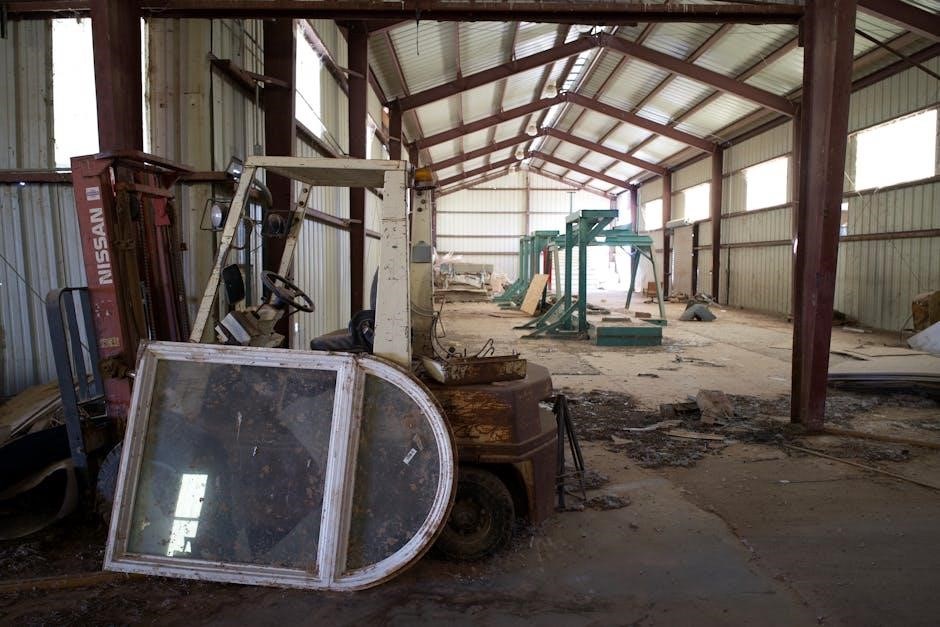
Maintaining a Hyster forklift is crucial for operational efficiency, safety, and longevity. This guide provides a foundational understanding of preventative maintenance procedures tailored to Hyster equipment. Regular upkeep minimizes downtime, reduces repair costs, and ensures optimal performance across various applications. Hyster forklifts, known for their durability, still require diligent care, encompassing daily inspections, fluid checks, and component servicing.
Accessing the correct maintenance information is paramount. While Hyster utilizes an online system with technical bulletins primarily for their service technicians, resourceful owners can leverage the commonality of components across different models – engines, transmissions, and hydraulic systems often share similarities. PDF manuals, though sometimes requiring a fee, can provide valuable insights, so verifying publication years before purchase is recommended. Prioritizing consistent maintenance safeguards your investment and maximizes the return on your Hyster forklift.
Understanding Hyster Forklift Model Identification
Accurate model identification is the first step towards effective Hyster forklift maintenance. Locating the model tag is essential for sourcing the correct parts, manuals, and technical information. Unfortunately, as some owners experience, finding this tag isn’t always straightforward. Common series include the A Series – specifically models like the A099 (E80XN, E100XN, etc.) – and the H Series (e.g., H30E).
Understanding the alphanumeric designation provides clues about the forklift’s capacity and features. Knowing the specific model allows access to targeted maintenance schedules and repair procedures. Jensales offers service manuals categorized by model, emphasizing the importance of precise identification. Without it, utilizing generic manuals may lead to incorrect procedures or incompatible parts, potentially causing further damage or safety hazards. Diligent searching for the tag is a worthwhile investment.
Accessing Hyster Forklift Manuals & Tech Bulletins
Hyster utilizes an online system for distributing technical bulletins primarily to its authorized service technicians. This resource, unfortunately, isn’t readily available to individual forklift owners. However, a wealth of information can be found through alternative sources; PDF manuals, covering operation, parts, and repair, are available for purchase from vendors like Jensales, offering both hardcopy and downloadable formats;
When sourcing manuals online, verifying the publication year is crucial to ensure compatibility with your specific model. Several websites offer these resources, but caution is advised regarding fees and accuracy. Forums like Practical Machinist and Forkliftactions can provide valuable leads and shared experiences regarding manual acquisition and troubleshooting assistance. Remember, commonality exists between models, so manuals for similar vintages can be helpful.
Routine Maintenance Procedures
Consistent checks of fluid levels, filters, and battery health are vital for Hyster forklift longevity. Daily inspections prevent costly repairs and ensure safe operation.
Daily Inspection Checklist
Before each shift, a thorough inspection is crucial. Verify proper operation of the horn, lights, and backup alarm. Check tire condition for wear and damage, ensuring correct inflation. Inspect hydraulic hoses and lines for leaks or cracks, paying close attention to connections. Examine the mast and forks for any visible defects, like bending or cracking. Confirm the seatbelt is functional and secure. Assess fluid levels – engine oil, coolant, and hydraulic fluid – noting any discrepancies. Ensure all safety decals are present and legible. Test the steering for responsiveness and smoothness. Finally, document any findings and report them immediately for prompt attention, maintaining a safe and efficient work environment.
Fluid Level Checks (Engine Oil, Hydraulic Fluid, Coolant)
Regular fluid checks are vital for optimal performance. For engine oil, ensure the level is within the ‘full’ range on the dipstick, adding as needed. Hydraulic fluid should be checked with the lift lowered, verifying it’s at the appropriate mark on the reservoir. Inspect coolant levels in the radiator and overflow tank, never opening a hot radiator cap. Look for any signs of leaks around hoses, connections, and the engine block. Note the fluid’s color and consistency; discoloration may indicate contamination. Maintain proper fluid levels to prevent component damage and ensure smooth operation.
Filter Maintenance (Air, Fuel, Hydraulic)
Consistent filter replacement is crucial for a long forklift life. The air filter prevents debris from entering the engine; inspect and replace it regularly based on operating conditions. Fuel filters safeguard the fuel system from contaminants, ensuring efficient combustion. Hydraulic filters maintain the cleanliness of the hydraulic fluid, protecting pumps and valves. Follow the manufacturer’s recommended intervals for each filter type. Dirty filters restrict flow, reducing performance and potentially causing damage. Always use genuine Hyster filters or approved equivalents for optimal filtration and compatibility.
Battery Maintenance & Charging Procedures
Proper battery care extends the life of your Hyster forklift’s power source. Regularly inspect battery cables for corrosion and ensure connections are clean and tight. Maintain electrolyte levels with distilled water only, avoiding overfilling. Use a designated charging area with adequate ventilation. Follow the manufacturer’s recommended charging cycles – typically, a full charge after each shift. Avoid opportunity charging unless specifically designed for the battery type. Equalization charges periodically help balance cell voltages. Always wear appropriate safety gear, including eye protection, when handling batteries.

Engine Maintenance
Routine engine upkeep—spark plug checks, fuel system care, and coolant management—ensures optimal performance and longevity for your Hyster forklift’s power plant.
Spark Plug Inspection & Replacement
Regular spark plug inspection is crucial for maintaining optimal engine efficiency in your Hyster forklift. Begin by visually examining the plugs for signs of wear, such as cracked insulators, carbon fouling, or electrode erosion. A properly gapped spark plug ensures consistent ignition and smooth engine operation.
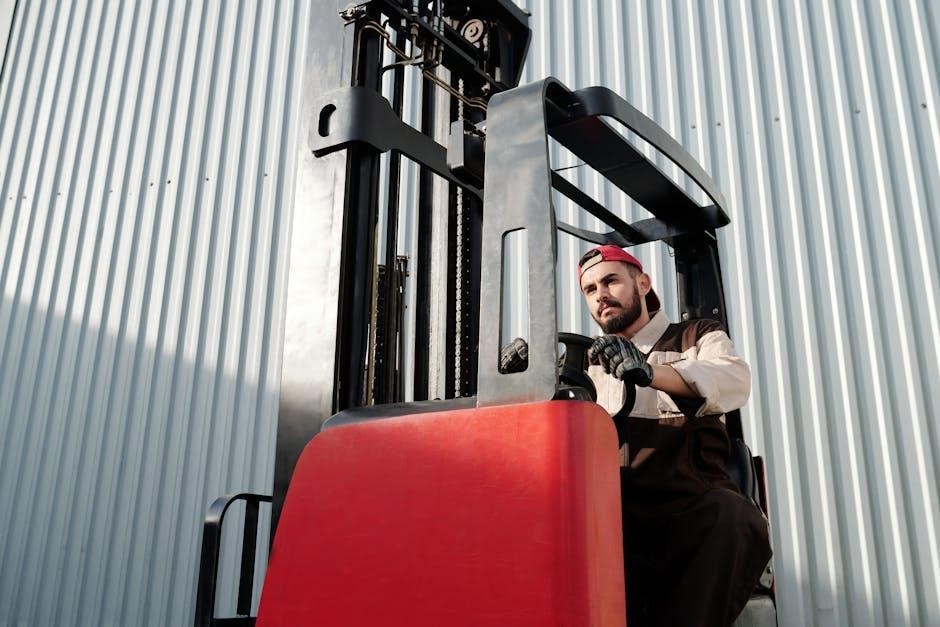
To replace a spark plug, disconnect the spark plug wire, carefully remove the old plug using a socket wrench, and inspect the threads for damage. Gap the new spark plug to the manufacturer’s specifications – typically found in your Hyster forklift’s service manual – before installation.
Apply a small amount of anti-seize compound to the threads to prevent future seizing. Tighten the new spark plug to the correct torque setting, avoiding over-tightening which can damage the cylinder head. Reconnect the spark plug wire securely. Consistent spark plug maintenance contributes significantly to fuel economy and reduced emissions.
Fuel System Maintenance (Filters, Lines)
Maintaining a clean fuel system is vital for reliable Hyster forklift performance. Regularly inspect and replace the fuel filter to prevent contaminants from reaching the engine. A clogged fuel filter restricts fuel flow, leading to reduced power and potential damage.
Carefully examine fuel lines for cracks, leaks, or deterioration. Replace any damaged lines immediately to avoid fuel spills and fire hazards. Ensure all connections are secure and properly tightened.
When replacing filters, follow the procedures outlined in your Hyster forklift’s service manual. Proper fuel system maintenance ensures optimal engine operation, minimizes downtime, and extends the lifespan of critical components. Always depressurize the fuel system before disconnecting any lines.
Cooling System Maintenance (Radiator, Hoses)
Effective cooling system maintenance is crucial for preventing engine overheating and ensuring optimal Hyster forklift performance. Regularly inspect the radiator for debris, such as dirt, leaves, and oil buildup, which can restrict airflow. Clean the radiator fins carefully using compressed air or a soft brush.
Thoroughly examine all cooling hoses for cracks, leaks, swelling, or deterioration. Replace any damaged hoses immediately to prevent coolant loss and potential engine damage. Check hose clamps for tightness and corrosion.
Monitor coolant levels and ensure the correct type of coolant is used, as specified in your Hyster forklift’s service manual. Regular maintenance extends engine life and prevents costly repairs.
Engine Oil Change Procedures
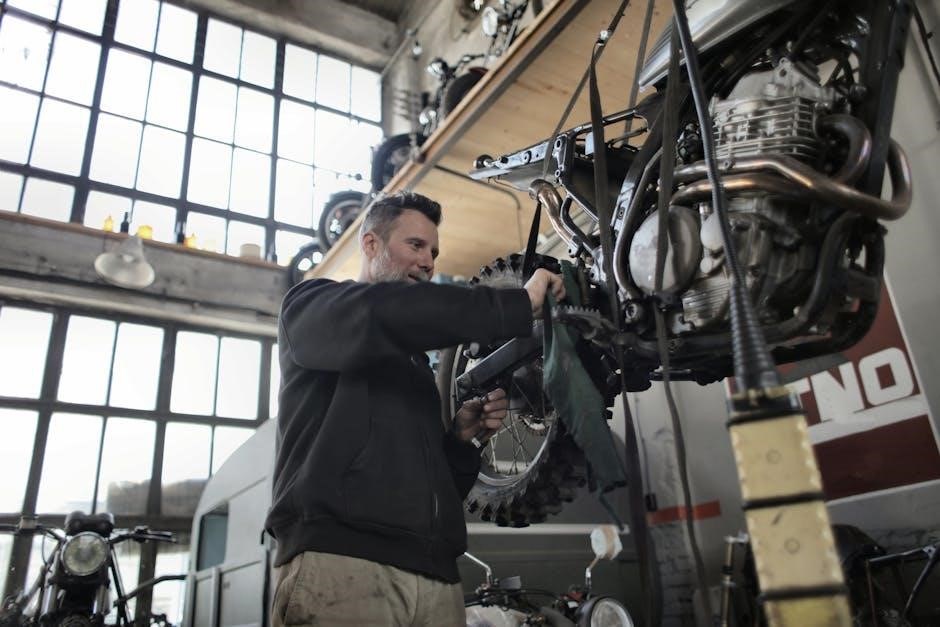
Proper engine oil changes are fundamental to Hyster forklift longevity. Begin by warming the engine to operating temperature, then safely position the forklift for oil drainage. Locate the oil drain plug and place a suitable container underneath.
Carefully remove the drain plug, allowing the old oil to drain completely. Replace the oil filter with a new one, ensuring the gasket is properly lubricated. Reinstall the drain plug, tightening it to the manufacturer’s specified torque.
Fill the engine with the correct type and quantity of oil, as indicated in your Hyster forklift’s manual. Check the oil level using the dipstick and run the engine briefly to verify no leaks exist.
Hydraulic System Maintenance
Maintain optimal performance with regular checks of hoses, cylinders, and fluid levels. Troubleshoot malfunctions and ensure proper pump function for reliable operation.
Hydraulic Hose Inspection & Replacement
Regularly inspect all hydraulic hoses for signs of wear, including cracks, abrasions, leaks, and kinking. Pay close attention to hose connections, ensuring they are tight and free from corrosion. Check for any fluid residue around the hoses, which indicates a potential leak. Before disconnecting any hose, relieve the hydraulic pressure to prevent injury.
When replacing a hydraulic hose, use only hoses that meet or exceed the manufacturer’s specifications. Ensure the new hose is the correct length and has the appropriate fittings. Properly torque all connections to the specified values. After replacement, thoroughly test the system for leaks and proper operation. Ignoring damaged hoses can lead to system failure and potential safety hazards, so proactive maintenance is crucial.
Hydraulic Cylinder Inspection & Repair
Thoroughly inspect hydraulic cylinders for leaks, scoring, and damage to the piston rod. Check the cylinder seals for wear and tear, as this is a common cause of hydraulic system malfunctions. Look for any signs of bending or deformation in the cylinder body. If a cylinder is leaking, attempt to tighten the fittings before considering disassembly.
Repair typically involves replacing the seals, piston, or cylinder body, depending on the extent of the damage. Always use genuine Hyster parts or equivalent quality replacements. Ensure proper lubrication during reassembly. After repair, pressure test the cylinder to verify its functionality and prevent future failures. Neglecting cylinder maintenance can lead to reduced lifting capacity and operational inefficiencies.
Hydraulic Fluid Change Procedures
Regular hydraulic fluid changes are crucial for maintaining system performance and preventing component wear. Begin by warming up the hydraulic system slightly for optimal fluid flow. Locate the drain plug on the hydraulic reservoir and position a suitable container underneath. Carefully remove the drain plug, allowing the old fluid to drain completely.
Replace the hydraulic filter during this process, ensuring it’s the correct type for your Hyster model; Once drained, reinstall the plug and refill the reservoir with the recommended hydraulic fluid, specified in your forklift’s manual. Check the fluid level using the dipstick and bleed the system to remove any air. Dispose of the old fluid responsibly, following environmental regulations;
Pump Maintenance & Troubleshooting
Consistent pump performance is vital for hydraulic system efficiency. Regularly inspect the pump for leaks, unusual noises, or vibrations, indicating potential issues. Check the pump drive belt for wear or damage, adjusting tension as needed. Ensure the hydraulic fluid level is correct, as low fluid can cause pump cavitation and damage.
Troubleshooting common pump problems includes checking for clogged filters, air in the system, or internal pump wear. If the pump is noisy, it may require internal component replacement or complete unit rebuilding. Consult the Hyster service manual for specific diagnostic procedures and repair instructions for your forklift model. Proper maintenance extends pump life.

Transmission & Drive System Maintenance
Inspect drive tires for wear and damage, check transmission fluid levels, and adjust the brake system for optimal performance and safe operation.
Transmission Fluid Level & Condition Check
Regularly assessing the transmission fluid is crucial for maintaining a Hyster forklift’s drive system. Begin by ensuring the forklift is on a level surface and the transmission is in neutral. Locate the transmission dipstick – consult your specific model’s manual for its precise location.
Remove the dipstick, wipe it clean, reinsert it fully, and then withdraw it again to check the fluid level. The fluid should fall within the “full” and “add” marks. If low, add the recommended transmission fluid type, as specified in your Hyster manual.
Beyond the level, examine the fluid’s condition. It should be bright red and transparent. Dark, cloudy, or burnt-smelling fluid indicates contamination or deterioration, requiring a complete fluid change. Ignoring these signs can lead to transmission damage and costly repairs.
Drive Tire Inspection & Replacement
Consistent drive tire checks are vital for Hyster forklift safety and performance. Inspect tires for cuts, bulges, or uneven wear patterns during each shift. Look for embedded objects like nails or glass, removing them carefully. Check tire pressure using a calibrated gauge, adhering to the manufacturer’s specifications found in your forklift’s manual.
Underinflated tires reduce stability and increase rolling resistance, impacting efficiency. Overinflated tires can lead to a harsh ride and potential damage. If a tire shows significant wear or damage, it must be replaced.
Ensure replacement tires match the original size and load capacity. Follow proper mounting procedures, utilizing appropriate tools and safety precautions. Regular tire maintenance extends their lifespan and prevents costly downtime.
Brake System Inspection & Adjustment
Regular brake system inspections are crucial for Hyster forklift safety. Check brake pedal travel, ensuring it feels firm and responsive. Inspect brake lines and hoses for leaks, cracks, or damage, replacing them if necessary. Examine brake pads or shoes for wear, and replace them before they reach their minimum thickness.
Adjust the brakes according to the manufacturer’s specifications, detailed in the service manual. Improperly adjusted brakes can lead to reduced stopping power or excessive wear. Test the parking brake to ensure it securely holds the forklift on an incline.
Address any unusual noises, such as squealing or grinding, immediately. Prompt brake maintenance prevents accidents and ensures reliable operation.
Electrical System Maintenance
Inspect battery cables for corrosion and damage, clean connections, and test the starter and alternator. Check the wiring harness for wear, ensuring reliable power.
Battery Cable Inspection & Cleaning
Regularly inspect battery cables for signs of corrosion, fraying, or damage to the insulation. Corrosion creates resistance, hindering electrical flow and potentially causing starting issues or reduced performance. Pay close attention to the cable terminals where they connect to the battery posts and the forklift’s electrical system.
To clean corroded terminals, disconnect the negative cable first, then the positive. Use a battery terminal cleaning tool or a mixture of baking soda and water to neutralize the acid. Thoroughly scrub the terminals and cable connectors, rinse with clean water, and dry completely before reconnecting. Ensure connections are tight to maintain optimal conductivity. Replace any cables exhibiting significant damage or corrosion that cannot be effectively cleaned.
Starter & Alternator Checks
Verify the starter motor’s functionality by observing its response when attempting to start the forklift. Listen for unusual noises like clicking or grinding, which may indicate a failing starter. Check the alternator’s output voltage using a multimeter to ensure it’s within the manufacturer’s specified range – typically around 13.5-14.5 volts while the engine is running.
Low alternator output can lead to a discharged battery and starting problems. Inspect the alternator’s belt for proper tension and wear. A loose or worn belt can cause insufficient charging. If issues are detected, further diagnostics may be needed to pinpoint the root cause, potentially requiring starter or alternator replacement.
Wiring Harness Inspection
Thoroughly inspect the forklift’s wiring harness for any signs of damage, including frayed wires, cracked insulation, or loose connections. Pay close attention to areas prone to wear and tear, such as near moving parts or where the harness passes through metal openings. Ensure all connections are clean and tight, as corrosion can impede electrical flow.
Look for any evidence of rodent damage, as they can chew through wiring insulation. Repair or replace any damaged wiring immediately to prevent electrical shorts or malfunctions. Proper wiring is crucial for the safe and reliable operation of all forklift systems, including lights, controls, and safety features.
Troubleshooting Common Issues
Diagnose problems like starting failures, hydraulic malfunctions, and engine performance issues using this manual’s guidance for Hyster forklifts, ensuring efficient repairs.
Forklift Won’t Start
Addressing a forklift that fails to start requires a systematic approach. First, verify the battery connections are clean and secure, ensuring sufficient charge. Check the starter and alternator for proper function; a faulty starter is a common culprit. Inspect the fuel system, including filters and lines, for obstructions or leaks.
Confirm the engine receives fuel and spark. Utilize the manual’s wiring diagrams to trace electrical issues, looking for blown fuses or damaged wiring. Consider safety interlock switches – a bypassed or malfunctioning switch can prevent starting. Refer to the troubleshooting section of your Hyster forklift’s manual for model-specific guidance and diagnostic codes, if applicable. Remember to prioritize safety during all diagnostic procedures.
Hydraulic System Malfunctions
Troubleshooting hydraulic issues begins with a thorough inspection of hoses and cylinders for leaks or damage. Verify the hydraulic fluid level is correct and the fluid itself is clean and free of contamination. Check the hydraulic pump for proper operation; unusual noises can indicate a failing pump.
Inspect the control valves and linkages, ensuring smooth and unrestricted movement. Consult your Hyster forklift’s maintenance manual for specific pressure test points and acceptable pressure ranges. Address any air trapped within the system, as this can cause erratic operation. Remember to always relieve hydraulic pressure before disconnecting any lines or components, prioritizing safety during all repairs.
Engine Performance Problems
Addressing engine issues starts with verifying fuel delivery – check the fuel filter and lines for obstructions. Inspect the spark plugs (if applicable) for fouling or damage, replacing them as needed. Confirm the air filter is clean to ensure proper combustion. Listen for unusual engine noises, which could indicate internal problems.
Utilize the Hyster forklift’s manual to diagnose specific error codes if equipped. Check the cooling system for proper function, preventing overheating. Ensure the engine oil level is correct and the oil is in good condition. Remember to consult technical bulletins for model-specific troubleshooting steps and repair procedures.