
Navigating estate complexities? This guide details the Disclaimer of Inheritance Form PDF‚ sourced from Jotform (April 29‚ 2026). It empowers heirs to formally refuse inherited assets‚ impacting estate distribution and potential tax liabilities.
Understanding this document is crucial for informed decisions regarding inherited property‚ ensuring compliance with legal requirements and a smooth estate settlement process.
Jotform’s template provides a starting point‚ but legal counsel is recommended for personalized guidance.
What is a Disclaimer of Inheritance?
A Disclaimer of Inheritance is a legally binding document where an heir or beneficiary voluntarily declines to accept assets from a deceased person’s estate. Essentially‚ it’s a formal refusal of an inheritance. This refusal is irrevocable‚ meaning once filed‚ the disclaiming party cannot later claim the asset.
As evidenced by templates available on platforms like Jotform (as of April 29‚ 2026)‚ the form clearly states the disclaiming individual’s awareness of the legal consequences. The document specifically addresses real estate‚ but disclaimers can apply to various assets – stocks‚ bonds‚ or personal property.
The primary function is to redirect the inheritance as if the disclaiming heir never had ownership. This is vital for estate planning‚ potentially avoiding unwanted tax implications or simplifying distribution to other beneficiaries‚ as outlined in the will or by state law. It’s a powerful tool requiring careful consideration.
Why Use a Disclaimer of Inheritance Form?
Utilizing a Disclaimer of Inheritance Form offers several strategic advantages. Primarily‚ it allows individuals to avoid accepting assets they don’t want or need‚ preventing potential complications with estate administration. This is particularly relevant for assets with significant tax implications‚ as disclaiming can shift the tax burden.
As highlighted by Jotform’s PDF template (updated April 29‚ 2026)‚ a disclaimer ensures the asset passes to another beneficiary as if the original heir never received it. This can be crucial for maintaining family harmony or aligning with broader estate planning goals.

Furthermore‚ a disclaimer can be beneficial when an heir anticipates future financial difficulties or prefers other beneficiaries receive the inheritance. It’s a proactive step‚ demonstrating a clear and irrevocable refusal of the inherited property‚ simplifying the estate settlement process.
Key Components of a Disclaimer of Inheritance Form
A comprehensive Disclaimer of Inheritance Form‚ like the Jotform template (April 29‚ 2026)‚ includes several essential elements. Firstly‚ clear identification of the disclaiming heir/beneficiary is paramount‚ alongside details of the deceased. Secondly‚ a precise property description – including full address – is crucial for unambiguous asset identification.
The form must explicitly state the disclaimer’s intent to relinquish all rights and claims to the specified property. A declaration of full awareness regarding the legal consequences is also vital. Importantly‚ the document should confirm the disclaimer is irrevocable and made without any consideration or inducement.
Finally‚ designated spaces for witness signatures and notarization are fundamental for legal validity‚ ensuring the disclaimer is properly executed and enforceable.
Legal Requirements and Considerations
A disclaimer must be made before accepting any benefit from the estate; accepting even a small portion can invalidate it. The disclaiming party cannot have any prior claim to the property. Furthermore‚ the disclaimer cannot be made to redirect assets to someone the disclaimant benefits from indirectly.
Crucially‚ these forms are not substitutes for legal advice. Consulting an attorney is highly recommended to ensure the disclaimer aligns with applicable laws and achieves the intended outcome‚ especially concerning potential tax implications and estate distribution.
Understanding the Form Sections
The Disclaimer of Inheritance Form PDF‚ like Jotform’s template‚ typically includes sections for identifying parties‚ detailing the deceased‚ and describing the disclaimed property.
Section 1: Identifying the Disclaimer
This initial section of the Disclaimer of Inheritance Form PDF focuses entirely on the individual choosing to relinquish their inherited rights. It requires the full legal name of the heir or beneficiary making the disclaimer‚ ensuring clear identification.
Crucially‚ the form necessitates a statement explicitly declaring the disclaiming party’s role as a legal heir of the deceased. This establishes their standing to waive their claim. The document‚ as exemplified by Jotform’s template‚ will also require a signature from the disclaiming individual.
Accuracy is paramount in this section; any discrepancies could invalidate the disclaimer. The disclaiming party affirms their voluntary decision‚ free from coercion or inducement‚ by signing the form. This section sets the foundation for the entire document‚ establishing who is disclaiming what.
Section 2: Identifying the Deceased
This section of the Disclaimer of Inheritance Form PDF is dedicated to unequivocally identifying the individual whose estate is being addressed. It demands the complete legal name of the deceased‚ leaving no room for ambiguity.
Essential information includes the date of death – a critical element for establishing inheritance timelines and legal validity. This detail‚ as highlighted in Jotform’s template‚ is fundamental to the disclaimer’s context.
Accuracy is vital; incorrect details regarding the deceased could lead to legal challenges or delays in estate administration. This section serves as the cornerstone for linking the disclaimer to the specific estate in question‚ ensuring all subsequent claims and disclaimers are properly attributed.
Section 3: Identifying the Heir/Beneficiary
This crucial section of the Disclaimer of Inheritance Form PDF focuses on clearly establishing who is relinquishing their claim to the inherited property. It requires the full legal name of the heir or beneficiary initiating the disclaimer.

Complete identification is paramount; this isn’t simply a matter of courtesy‚ but a legal necessity. The form‚ as offered by Jotform‚ necessitates details that definitively link the disclaimer to the correct individual entitled to the inheritance.
Accuracy prevents disputes and ensures the disclaimer is legally sound. This section confirms the disclaiming party’s standing to waive their rights‚ forming a vital component of the overall document’s validity and preventing future challenges to the estate distribution.
Section 4: Property Description
A detailed and precise property description is fundamental within the Disclaimer of Inheritance Form PDF. This section meticulously identifies the specific asset(s) the heir or beneficiary is choosing to disclaim. Ambiguity is unacceptable; clarity is key to avoiding future legal complications.
The Jotform template emphasizes the need for a “full address” of the real estate‚ if applicable. However‚ this extends beyond just physical addresses. For other assets – stocks‚ bonds‚ accounts – specific account numbers‚ identifying details‚ and quantities must be included.
This section ensures that there’s no confusion regarding what is being disclaimed. A comprehensive description safeguards the estate and other beneficiaries‚ establishing a clear record of the relinquished inheritance and its subsequent redistribution.

Completing the Disclaimer of Inheritance Form
Accurate completion of the Disclaimer of Inheritance Form PDF is vital. Follow instructions carefully‚ avoiding errors‚ and ensure all sections are fully and truthfully completed.
Step-by-Step Instructions for Filling Out the Form
Begin by clearly identifying yourself as the disclaiming heir/beneficiary in Section 1. Section 2 requires detailed information about the deceased‚ including their full legal name and date of passing. Section 3 focuses on your relationship to the deceased.
Next‚ meticulously describe the property in Section 4‚ providing the full address. Ensure accuracy; any discrepancies could invalidate the disclaimer. Carefully read the acknowledgement stating your awareness of the legal consequences and irrevocability of your decision.
Sign and date the form in the presence of the required witnesses (see Witness Requirements). The witnesses must also sign‚ attesting to your signature. Finally‚ obtain notarization as per your state’s regulations. Jotform’s PDF editor facilitates easy completion‚ but legal review is always advisable.
Common Mistakes to Avoid
Incomplete information is a frequent error; ensure all sections of the Disclaimer of Inheritance Form PDF are fully addressed. Vague property descriptions can cause delays or invalidation – use the full‚ legal address. Failing to understand the irrevocability of the disclaimer is critical; once signed‚ it generally cannot be reversed.
Insufficient witness signatures or improperly notarized documents are common pitfalls. Double-check state-specific requirements for witnesses and notarization procedures. Avoid signing before witnesses‚ as this voids their attestation.
Don’t assume the form is self-explanatory; seek legal counsel if unsure about any clause. Ignoring potential tax implications can lead to unexpected liabilities. Always retain a copy of the completed and filed form for your records.
The Importance of Accurate Information
Accuracy is paramount when completing a Disclaimer of Inheritance Form PDF. Incorrect details regarding the deceased – name‚ date of death – can invalidate the entire document. Precise property descriptions‚ including full legal addresses‚ are essential for clear identification of the disclaimed asset.
Misidentifying the heir/beneficiary or their legal standing can create significant legal challenges. Errors in the disclaimer statement itself‚ regarding the specific interest being relinquished‚ must be avoided.
Inaccurate information regarding consideration (if any) received for the disclaimer can raise concerns about undue influence. Double-check all dates and signatures for consistency and legibility. Remember‚ a flawed form can lead to costly delays and potential legal disputes during estate settlement.

Witness and Notary Requirements
Valid disclaimers often require witness signatures and notarization‚ confirming the heir’s voluntary and informed decision. State laws dictate specific requirements for witness qualifications and notary procedures.
Role of Witnesses
Witnesses play a critical role in validating a Disclaimer of Inheritance Form. They attest to the heir/beneficiary’s signature‚ confirming it was made willingly and knowingly. Generally‚ two disinterested witnesses are required – meaning they shouldn’t be beneficiaries of the estate themselves.
Witnesses must be of legal age and capable of understanding the document’s implications. Their primary function is to observe the signing process and then affix their signatures to the form‚ providing an impartial record of the event.
State laws vary regarding specific witness requirements‚ such as residency or whether they need to know the content of the disclaimer. It’s crucial to verify these stipulations to ensure the disclaimer’s validity. Properly witnessed disclaimers strengthen the legal standing of the refusal of inheritance.
Notarization Process
Notarization adds a crucial layer of legal validity to a Disclaimer of Inheritance Form. A notary public verifies the identity of the signer (the heir/beneficiary) and witnesses the signature‚ deterring fraud and ensuring authenticity.
The process typically involves presenting a valid photo ID to the notary‚ signing the disclaimer in their presence‚ and the notary completing their official seal and signature. The notary maintains a record of the notarization in their journal.
While not always legally required‚ notarization is highly recommended as it significantly strengthens the disclaimer’s enforceability. Jotform’s PDF template facilitates easy editing‚ but doesn’t handle notarization directly. Check your state’s laws for specific requirements regarding notarization of legal documents like disclaimers.
State-Specific Requirements for Witnesses and Notaries
Notary regulations are equally diverse. Some states require all legal documents‚ including disclaimers‚ to be notarized‚ while others only require it under specific circumstances. Jotform’s PDF template is a general resource‚ but doesn’t account for these nuances.
It’s crucial to research your state’s specific laws regarding witnesses and notaries before completing and submitting the form. Failure to comply with these requirements could invalidate the disclaimer. Consult with a legal professional to ensure adherence to all applicable state regulations.
Submitting the Disclaimer of Inheritance Form
Proper submission is key. File the completed‚ witnessed‚ and notarized Disclaimer of Inheritance Form PDF with the relevant court or estate administrator‚ adhering to strict deadlines.
Where to File the Form
Determining the correct filing location is paramount for a valid disclaimer. Generally‚ the Disclaimer of Inheritance Form PDF must be submitted to the court overseeing the probate process of the deceased’s estate. This is typically the probate court in the county where the deceased resided at the time of their passing.
Alternatively‚ if the estate is being administered outside of probate – for example‚ through a small estate affidavit process – the form may need to be filed with the relevant county recorder’s office or directly with the entity responsible for distributing the assets‚ such as a bank or financial institution.
Confirming the specific filing requirements with the probate court or estate administrator is crucial. Some jurisdictions may have specific procedures or designated departments for receiving disclaimers. Always retain a stamped copy of the filed form for your records as proof of submission.
Deadlines for Filing
Strict adherence to filing deadlines is critical when utilizing a Disclaimer of Inheritance Form PDF. Generally‚ a disclaimer must be executed and filed within a specific timeframe after the death of the decedent. This period is often dictated by state law and can vary significantly.
Most jurisdictions require the disclaimer to be submitted within nine months of the date of death‚ aligning with the timeframe for formally objecting to the will or initiating probate proceedings. However‚ some states may offer shorter or longer deadlines.
Failing to meet the deadline can result in the disclaimer being deemed invalid‚ forcing the heir to accept the inherited assets. It’s vital to consult with legal counsel to determine the precise deadline applicable to the specific jurisdiction and estate situation.
Record Keeping and Copies
Meticulous record-keeping is paramount when dealing with a Disclaimer of Inheritance Form PDF. Retain a fully executed original of the disclaimer for your personal records. This document serves as proof of your intent to refuse the inherited assets.
Additionally‚ secure copies of all related documentation‚ including the death certificate of the deceased‚ the will (if applicable)‚ and any correspondence with the estate executor or probate court.
Provide copies to relevant parties‚ such as the estate executor‚ the probate court (when filing)‚ and any other beneficiaries who may be affected by your disclaimer. Maintaining a comprehensive record protects your interests and facilitates a transparent estate settlement process. Consider digital backups alongside physical copies for enhanced security.

Legal Implications of Disclaiming Inheritance
Disclaiming inheritance carries significant tax and estate consequences; It’s irrevocable‚ impacting asset distribution‚ and requires careful consideration of applicable laws and potential legal ramifications.
Tax Implications of Disclaimer
Disclaiming an inheritance can have complex tax consequences‚ potentially altering the estate’s tax liability. Generally‚ a disclaimer isn’t considered a gift‚ so it doesn’t trigger gift tax. However‚ the asset will be distributed as if the disclaiming heir never existed‚ potentially shifting tax burdens to other beneficiaries.
Estate tax implications are significant. By reducing the estate’s size‚ a disclaimer might lower overall estate taxes. Conversely‚ if the disclaimed asset had a low cost basis‚ the beneficiary receiving it will inherit that basis‚ potentially leading to higher capital gains taxes upon sale.
It’s crucial to consult a tax professional to understand how a disclaimer will affect your specific tax situation. Factors like the asset’s value‚ the estate’s overall size‚ and applicable state and federal laws all play a role. Ignoring these implications could result in unexpected tax liabilities.
Impact on Estate Distribution
A disclaimer of inheritance fundamentally alters how an estate is distributed. By legally refusing an asset‚ the disclaiming heir’s share passes as if they were never named in the will or designated by state intestacy laws. This means the property reverts to the estate and is redistributed according to the existing will or‚ if no will exists‚ state law.
The effect is a reshuffling of assets. Other beneficiaries may receive a larger share‚ or contingent beneficiaries (those named only if primary beneficiaries predecease) may now inherit. Understanding the will’s provisions – or the state’s intestacy rules – is vital to predict the outcome.
Careful consideration is needed‚ as a disclaimer is irrevocable. Once executed‚ the disclaiming heir loses all rights to the asset. This can have unintended consequences for other beneficiaries‚ so open communication is often advisable.
Revocability of a Disclaimer
A critical aspect of a disclaimer of inheritance is its irrevocability. Once a valid disclaimer is executed – properly witnessed‚ notarized‚ and filed within the required timeframe – it generally cannot be revoked. This means the disclaiming heir permanently relinquishes all rights to the inherited property.
This permanence underscores the importance of careful consideration before signing a disclaimer. Heirs should fully understand the legal and financial consequences‚ including potential tax implications and the impact on other beneficiaries.
Unlike a will‚ which can be amended or revoked‚ a disclaimer creates a binding legal action. There are very limited circumstances where a disclaimer might be challenged‚ typically involving fraud or undue influence‚ but successfully overturning a valid disclaimer is exceedingly difficult.
Resources and Templates
Jotform offers a readily available Disclaimer of Inheritance Form PDF‚ simplifying the process. Remember‚ these are suggested forms; legal counsel is vital for complex situations.
Explore Jotform’s PDF Editor for customization and related resources.
Where to Find a Disclaimer of Inheritance Form PDF
Locating a suitable Disclaimer of Inheritance Form PDF is the first step in formally relinquishing inherited assets. Jotform stands out as a readily accessible online resource‚ providing a downloadable template as of April 29‚ 2026.
Their platform (https://www.jotform.com/pdf-templates/disclaimer-of-inheritance/pdf) offers a convenient starting point‚ allowing users to download and potentially edit the form to suit their specific needs. However‚ it’s crucial to remember that these templates are suggestions only.
Beyond Jotform‚ a general internet search using keywords like “disclaimer of inheritance form PDF” may yield additional options. State bar associations or probate court websites often provide forms specific to their jurisdiction. Always prioritize forms aligned with the relevant state laws to ensure validity.
Remember to verify the source and date of any downloaded form to ensure it’s current and legally sound.
Jotform as a Resource for PDF Templates
Jotform presents itself as a valuable platform for accessing and utilizing Disclaimer of Inheritance Form PDF templates. As of April 29‚ 2026‚ they offer a readily available‚ downloadable template designed to simplify the disclaimer process.
Beyond simply providing the form‚ Jotform boasts a PDF Editor‚ enabling users to customize the template to fit their unique circumstances. This feature allows for direct editing of the PDF‚ streamlining the completion process. They also offer “Smart PDF Forms” capable of converting submissions into downloadable PDFs automatically.
However‚ Jotform explicitly states that their templates are suggestions only. For legally binding documents‚ especially those involving personal or health information‚ consulting with an attorney is strongly advised. They emphasize the importance of ensuring compliance with applicable laws before relying on any form.
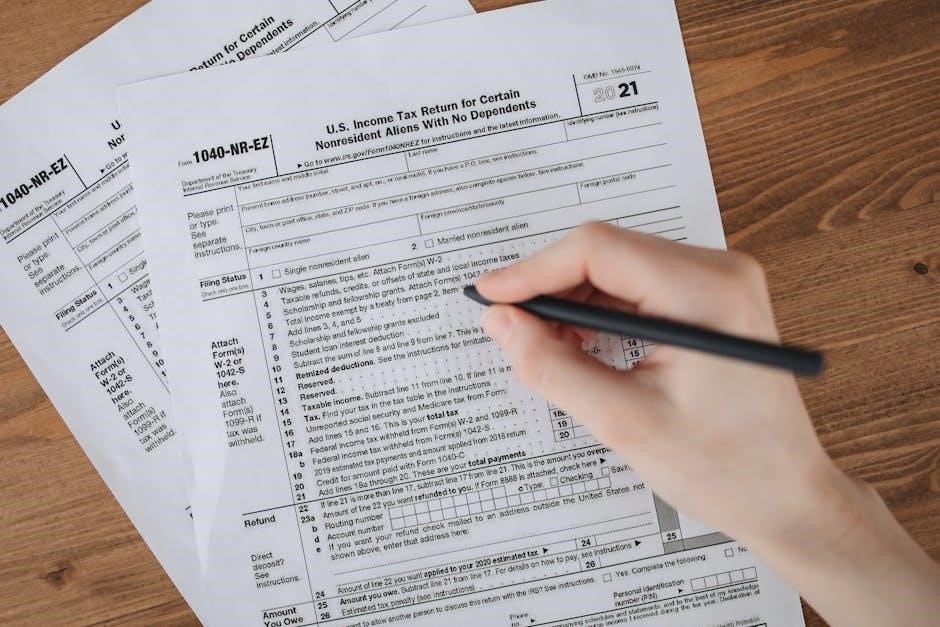
Explore Jotform’s PDF solutions for a convenient starting point‚ but always prioritize legal counsel for definitive guidance.
Please be advised: This guide concerning the Disclaimer of Inheritance Form PDF is for informational purposes only and does not constitute legal advice. Utilizing a disclaimer form carries significant legal implications‚ varying based on jurisdiction and individual circumstances.
Jotform‚ the source of the template discussed‚ explicitly recommends seeking legal counsel before relying on any form for contracts‚ personal information gathering‚ or situations with legal consequences. Laws surrounding inheritance and disclaimers are complex and subject to change.
A properly executed disclaimer requires strict adherence to state-specific requirements regarding witnesses‚ notarization‚ and deadlines. Failure to comply can invalidate the disclaimer‚ potentially leading to unintended consequences regarding estate distribution and tax liabilities.
Consulting with a qualified attorney is crucial to ensure your disclaimer is legally sound‚ protects your interests‚ and aligns with your overall estate planning goals. This guide is a starting point‚ not a substitute for professional legal guidance.