

Ketobiotic Foods: A Comprehensive Guide
Navigating the ketobiotic landscape involves understanding permitted foods‚ like fish‚ seafood‚ meat‚ poultry‚ non-starchy vegetables‚ and healthy fats‚ for optimal results.
Understanding the Ketobiotic Diet
The ketobiotic diet represents an evolution of the traditional ketogenic approach‚ emphasizing not just macronutrient ratios but also the crucial role of gut health. This dietary strategy centers around significantly reducing carbohydrate intake – typically below 50 grams daily – while increasing healthy fat consumption.
The primary goal is to induce a metabolic state called ketosis‚ where the body shifts from using glucose as its primary fuel source to utilizing ketones derived from fat. However‚ unlike standard keto‚ a ketobiotic focus incorporates prebiotic-rich foods to nourish beneficial gut bacteria.
This synergy aims to enhance nutrient absorption‚ reduce inflammation‚ and improve overall well-being. Resources like downloadable “ketobiotic foods pdf” guides often detail acceptable food lists‚ meal planning strategies‚ and the science behind this holistic approach to ketogenic eating.
What are Ketobiotic Foods?
Ketobiotic foods are specifically chosen to support both ketosis and a thriving gut microbiome. They encompass the staples of a ketogenic diet – high-quality fats‚ moderate protein‚ and very low carbohydrates – but with a deliberate inclusion of prebiotic fibers.
These fibers act as food for beneficial gut bacteria‚ promoting their growth and diversity. Examples include avocados‚ leafy greens‚ and certain non-starchy vegetables like asparagus and broccoli. “Ketobiotic foods pdf” resources often categorize these items‚ detailing their carbohydrate content and prebiotic benefits.
Essentially‚ ketobiotic foods aren’t just about what you eat‚ but how those foods impact your gut health‚ maximizing the benefits of a ketogenic lifestyle.
The Core Principles of a Ketobiotic Food List

A successful ketobiotic food list centers around minimizing net carbohydrates‚ prioritizing healthy fats‚ and incorporating prebiotic-rich foods. Net carbs are calculated by subtracting fiber from total carbohydrates‚ focusing on impact on blood sugar.
High-quality protein sources are essential‚ but moderation is key to avoid gluconeogenesis. “Ketobiotic foods pdf” guides emphasize choosing whole‚ unprocessed foods over refined options. Crucially‚ the list isn’t solely restrictive; it actively includes foods that nourish the gut microbiome.
This means prioritizing fiber-containing vegetables and considering fermented foods. The goal is to optimize both metabolic health and digestive wellness simultaneously‚ creating a synergistic effect.

Key Food Groups for a Ketobiotic Diet
Ketobiotic eating emphasizes fish‚ meat‚ non-starchy vegetables‚ and healthy fats‚ alongside dairy options‚ to support both ketosis and gut health effectively.
Fish and Seafood Options
Incorporating fish and seafood is crucial on a ketobiotic diet‚ providing essential omega-3 fatty acids and high-quality protein. Salmon stands out due to its rich nutrient profile‚ supporting brain health and reducing inflammation. Sardines‚ often overlooked‚ are a nutrient powerhouse‚ packed with calcium and vitamin D.
A diverse range of shellfish‚ including shrimp‚ crab‚ and lobster‚ are excellent choices‚ offering low carbohydrate content and delicious flavor. These options contribute to a balanced ketobiotic meal plan. Prioritize wild-caught varieties whenever possible to minimize exposure to toxins and maximize nutritional benefits. Regularly consuming these seafood options supports overall well-being while adhering to the diet’s principles.
Salmon and its Benefits
Salmon is a cornerstone of a successful ketobiotic diet‚ celebrated for its exceptional nutritional value and delicious taste. Rich in omega-3 fatty acids‚ particularly EPA and DHA‚ salmon supports cardiovascular health and cognitive function. These essential fats are often lacking in standard diets‚ making salmon a vital addition.
Furthermore‚ salmon is a fantastic source of high-quality protein‚ aiding in muscle maintenance and satiety. Its low carbohydrate content aligns perfectly with the ketogenic principles. Opting for wild-caught salmon maximizes benefits‚ minimizing exposure to potential contaminants. Incorporate salmon several times a week for optimal health and sustained energy levels on your ketobiotic journey.
Sardines: A Nutrient Powerhouse
Often overlooked‚ sardines are a remarkably nutrient-dense food‚ perfectly suited for a ketobiotic lifestyle. These small‚ oily fish are packed with omega-3 fatty acids‚ even surpassing salmon in some cases‚ contributing to heart health and reducing inflammation. They’re also an excellent source of vitamin D‚ crucial for immune function and bone health‚ often deficient in many individuals.
Sardines provide a substantial dose of calcium‚ thanks to their edible bones‚ supporting strong bones and teeth. Their low carbohydrate count and high protein content make them an ideal keto-friendly snack or meal component. Enjoy them straight from the can‚ added to salads‚ or incorporated into pâtés for a flavorful and nutritious boost.
Shellfish Varieties
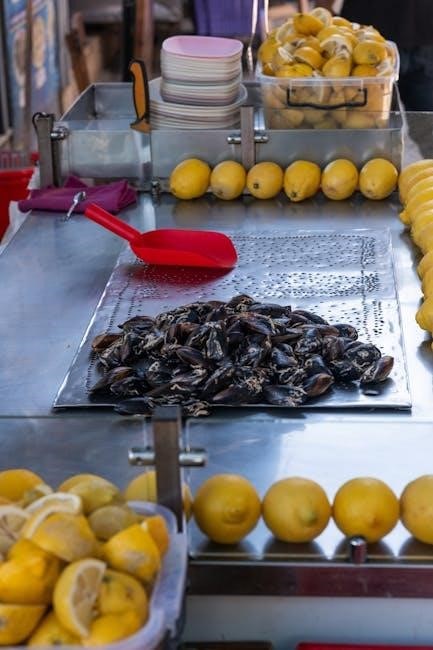
Shellfish offers a delightful range of options for those embracing a ketobiotic diet‚ providing both flavor and essential nutrients. Shrimp‚ crab‚ lobster‚ and mussels are all exceptionally low in carbohydrates and rich in high-quality protein‚ making them excellent choices. They contribute significantly to satiety‚ helping manage hunger on a ketogenic plan.
These marine delicacies are also good sources of selenium‚ vitamin B12‚ and zinc‚ supporting thyroid function and immune health. Enjoy shellfish grilled‚ steamed‚ sautéed‚ or added to creamy keto-friendly sauces. Remember to be mindful of potential allergies and source sustainably whenever possible for a guilt-free‚ nutritious indulgence.
Meat and Poultry Choices
Prioritizing quality meat and poultry is fundamental to a successful ketobiotic approach. Opt for cuts that are naturally lower in carbohydrates and higher in healthy fats. Beef‚ chicken‚ turkey‚ and duck all fit seamlessly into this dietary framework‚ providing essential protein for muscle maintenance and overall well-being.
Grass-fed beef and pasture-raised poultry are particularly beneficial‚ offering a superior nutrient profile‚ including omega-3 fatty acids. Focus on darker cuts of meat‚ as they generally contain more fat. Avoid processed meats with added sugars or fillers. These protein sources are versatile and can be prepared in countless ways to keep your meals exciting and satisfying.
Beef: Selecting the Right Cuts
When embracing beef on a ketobiotic diet‚ strategic cut selection is paramount. Prioritize fattier cuts like ribeye‚ New York strip‚ and chuck roast‚ as fat is your friend on keto! These provide sustained energy and enhance flavor. Ground beef is convenient‚ but choose options with a higher fat percentage – ideally 80/20 or 70/30.
Leaner cuts‚ such as sirloin‚ can be included in moderation‚ but consider adding a fat source during cooking‚ like butter or olive oil. Avoid pre-marinated beef‚ as marinades often contain hidden sugars. Remember‚ the goal is to maximize fat intake while keeping carbohydrates minimal‚ making certain beef cuts ideal for ketobiotic success.
Poultry: Chicken‚ Turkey‚ and Duck
Poultry offers versatile protein sources for a ketobiotic lifestyle‚ but mindful selection is key. Dark meat‚ such as chicken thighs and drumsticks‚ boasts a higher fat content compared to breast meat‚ aligning better with keto principles. Turkey‚ similarly‚ benefits from choosing dark meat or incorporating the skin for added fat.
Duck is an excellent choice‚ naturally rich in fat. When preparing poultry‚ avoid breading or sugary glazes. Season generously with herbs and spices instead. Roasting or grilling are preferred cooking methods to preserve fat content. Remember to prioritize skin-on preparations to maximize fat intake and enhance the overall ketobiotic experience.
Non-Starchy Vegetables
Non-starchy vegetables are foundational to a successful ketobiotic diet‚ providing essential nutrients with minimal carbohydrate impact. These vibrant foods offer fiber‚ vitamins‚ and minerals‚ supporting overall health while maintaining ketosis. Excellent choices include broccoli‚ cauliflower‚ cabbage‚ mushrooms‚ cucumber‚ green beans‚ and eggplant.
Leafy greens like spinach‚ kale‚ and lettuce are incredibly versatile and nutrient-dense. Prioritize these for salads‚ side dishes‚ or incorporated into meals. While generally low-carb‚ portion control is still important. Focus on enjoying a wide variety to maximize nutritional benefits and keep your meals interesting and satisfying on your ketobiotic journey.
Broccoli and Cauliflower
Broccoli and cauliflower are nutritional powerhouses‚ perfectly suited for a ketobiotic lifestyle due to their low carbohydrate content and high fiber. These cruciferous vegetables are incredibly versatile; enjoy them steamed‚ roasted‚ mashed‚ or even riced as a low-carb alternative to rice or potatoes.
They’re packed with vitamins C and K‚ as well as folate and potassium‚ contributing to overall well-being. Cauliflower’s mild flavor makes it an excellent base for “keto-friendly” versions of mashed potatoes or pizza crust. Broccoli’s slightly more robust flavor shines in stir-fries or as a simple side dish. Incorporating both regularly ensures a diverse nutrient intake.
Leafy Greens: Spinach‚ Kale‚ and Lettuce
Leafy greens – spinach‚ kale‚ and lettuce – form the cornerstone of a vibrant ketobiotic diet‚ offering minimal carbohydrates and a wealth of essential nutrients. These vegetables are incredibly low in calories‚ allowing for generous portions without compromising ketosis. Spinach is mild and versatile‚ perfect in salads or sautéed. Kale‚ with its heartier texture‚ excels in salads with a robust dressing or baked into crispy kale chips.
Lettuce provides a crisp base for wraps or salads. They are rich in vitamins A‚ C‚ and K‚ plus vital minerals. Regularly consuming these greens supports digestive health and provides antioxidants‚ contributing to overall wellness on a ketobiotic plan.
Asparagus and Green Beans
Asparagus and green beans are excellent additions to a ketobiotic food list‚ providing fiber and essential nutrients with a manageable carbohydrate count. Asparagus‚ with its unique flavor‚ can be grilled‚ roasted‚ or steamed‚ offering versatility in meal preparation. Green beans‚ similarly adaptable‚ are delicious sautéed with garlic or added to stir-fries.

Both vegetables contribute to a feeling of fullness‚ aiding in appetite control – a key component of successful ketobiotic adherence. They are good sources of vitamins and minerals‚ supporting overall health while staying within ketogenic parameters. Enjoy these as side dishes or incorporate them into main courses for a nutritious boost.
Fats and Oils for Ketobiotic Living
Healthy fats are crucial; avocado oil‚ butter‚ beef tallow‚ and olive oil are staples‚ providing energy and supporting the ketogenic state effectively.
Avocado Oil: A Healthy Fat Source
Avocado oil stands out as a premier fat source within the ketobiotic framework‚ boasting a remarkably neutral flavor profile that lends itself to diverse culinary applications. This versatility allows for seamless integration into both high-heat cooking methods‚ like sautéing and frying‚ and delicate preparations such as salad dressings and marinades.
Crucially‚ avocado oil is composed almost entirely of monounsaturated fats – specifically oleic acid – which are celebrated for their heart-healthy benefits. A tablespoon contains zero total carbohydrates‚ making it perfectly aligned with the stringent carbohydrate restrictions of a ketobiotic diet. Furthermore‚ its high smoke point ensures stability during cooking‚ preventing the formation of harmful compounds. Choosing cold-pressed‚ extra virgin avocado oil maximizes its nutrient content and preserves its beneficial properties‚ contributing to overall well-being while adhering to ketobiotic principles.

Butter and Beef Tallow
Both butter and beef tallow represent excellent‚ traditional fat sources perfectly suited for a ketobiotic lifestyle‚ offering distinct advantages and culinary uses. Butter‚ particularly from grass-fed cows‚ provides essential fatty acids and vitamins like A‚ D‚ E‚ and K. It’s incredibly versatile‚ enhancing flavor in cooking and baking‚ and requiring zero carbohydrates per tablespoon.
Beef tallow‚ rendered from suet‚ is exceptionally stable at high temperatures due to its saturated fat composition‚ making it ideal for searing and frying. Like butter‚ it contains zero carbs‚ supporting ketosis. Historically‚ tallow was a staple cooking fat‚ and its return reflects a focus on whole‚ unprocessed foods. Utilizing both butter and tallow diversifies fat intake and adds richness to ketobiotic meals‚ promoting satiety and overall health.
Olive Oil: Types and Uses
Olive oil‚ a cornerstone of the Mediterranean diet‚ fits seamlessly into a ketobiotic plan‚ but understanding its varieties is crucial for maximizing benefits. Extra virgin olive oil (EVOO) is the highest quality‚ retaining antioxidants and flavor due to minimal processing. It’s best used for low-heat cooking‚ salad dressings‚ and finishing dishes.
Refined olive oil‚ with a higher smoke point‚ is suitable for sautéing and light frying. However‚ it lacks the nutritional punch of EVOO. Avoid “light” olive oils‚ often heavily processed. Olive oil provides healthy monounsaturated fats‚ supporting heart health and overall well-being. Always check labels to ensure purity and quality‚ opting for cold-pressed varieties whenever possible for a truly ketobiotic addition.

Dairy and Keto Compatibility
Full-fat dairy options‚ like cheese and cream‚ can be keto-friendly in moderation‚ but carbohydrate content varies significantly between varieties and brands.
Cheese Varieties: Hard and Soft Cheeses
Hard cheeses‚ such as cheddar‚ parmesan‚ and Swiss‚ generally contain fewer carbohydrates than their softer counterparts‚ making them excellent choices for a ketobiotic diet. These aged varieties undergo processes that reduce lactose‚ a natural sugar‚ further minimizing their impact on blood glucose levels.
Soft cheeses‚ like brie‚ cream cheese‚ and ricotta‚ can still be included‚ but portion control is crucial. They tend to have a higher moisture content and‚ consequently‚ a slightly higher carbohydrate count. Always check nutrition labels carefully.
Consider full-fat options for increased satiety and to align with the high-fat principles of the ketobiotic lifestyle; Experiment with different types to find your favorites while staying within your daily carb limits!
Full-Fat Dairy Options
Embracing full-fat dairy is a cornerstone of a successful ketobiotic approach‚ providing essential fats for energy and satiety. Unlike low-fat alternatives‚ full-fat options don’t typically contain added sugars or fillers that can hinder ketosis.
Heavy cream is a versatile addition to coffee‚ sauces‚ and desserts‚ offering a rich‚ creamy texture and minimal carbs. Full-fat yogurt‚ particularly Greek yogurt‚ is another excellent choice‚ but be mindful of added sugars in flavored varieties.
Prioritize dairy products sourced from grass-fed animals whenever possible‚ as they often boast a superior nutritional profile. Remember to moderate intake and monitor your body’s response to dairy‚ as some individuals may experience sensitivities.

Foods to Limit or Avoid on a Ketobiotic Diet
Strictly limit sugary items and grains; these quickly raise blood sugar and disrupt ketosis‚ hindering fat-burning processes and dietary success.
Sugary Foods and Drinks
Eliminating sugars is paramount on a ketobiotic diet. This encompasses obvious sources like candy‚ soda‚ juice‚ and desserts‚ but extends to hidden sugars in processed foods. Be vigilant about reading labels‚ as sugar often disguises itself under names like corn syrup‚ dextrose‚ fructose‚ and sucrose.
Even seemingly healthy options‚ such as certain yogurts or sauces‚ can contain significant added sugars. Artificial sweeteners are a debated topic; while some keto dieters utilize them‚ others prefer to avoid them altogether due to potential impacts on insulin response.
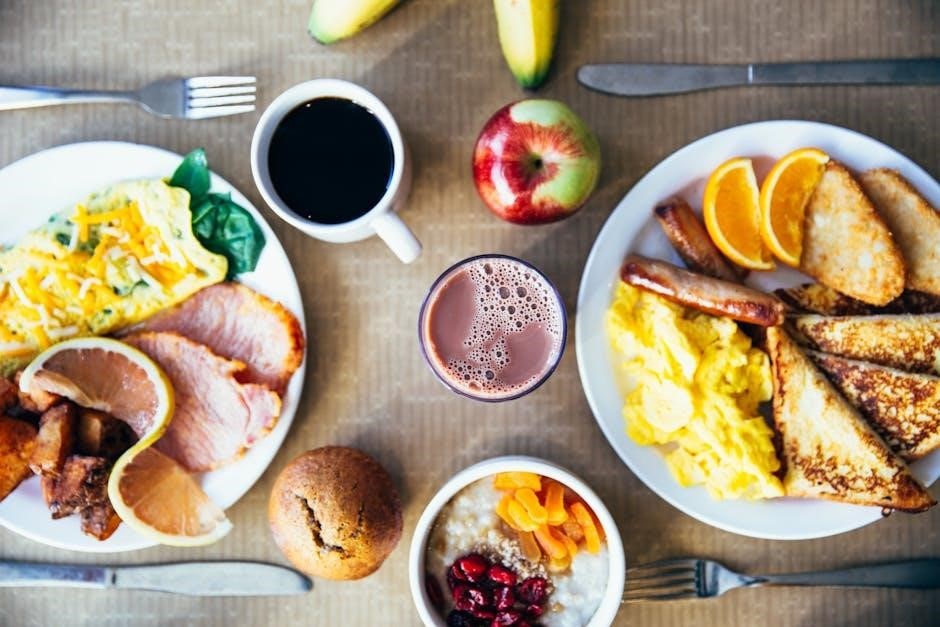
Fruit‚ while nutritious‚ is generally limited due to its carbohydrate content. Small portions of berries may be permissible for some‚ but larger‚ sweeter fruits should be avoided. Prioritizing water‚ unsweetened tea‚ and black coffee is crucial for staying hydrated and maintaining ketosis.
Grains and Starches
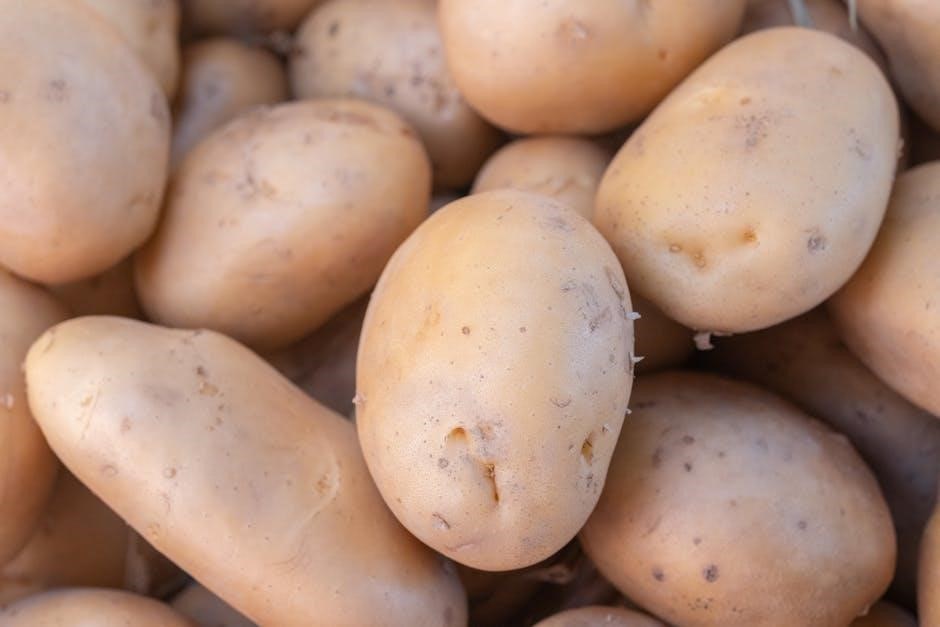
Grains and starches are largely off-limits on a ketobiotic diet due to their high carbohydrate content. This includes wheat‚ rice‚ corn‚ oats‚ barley‚ and all products derived from them – bread‚ pasta‚ cereal‚ and most baked goods. Potatoes‚ sweet potatoes‚ and yams are also starchy vegetables that should be significantly restricted or avoided entirely.
These foods rapidly raise blood sugar levels‚ hindering the metabolic state of ketosis. Even “whole grain” options are typically too high in carbohydrates for strict keto adherence.
Alternatives like cauliflower rice or zucchini noodles can provide a similar texture to traditional starches without the carbohydrate load. Focusing on non-starchy vegetables as your primary carbohydrate source is essential for success on a ketobiotic eating plan.