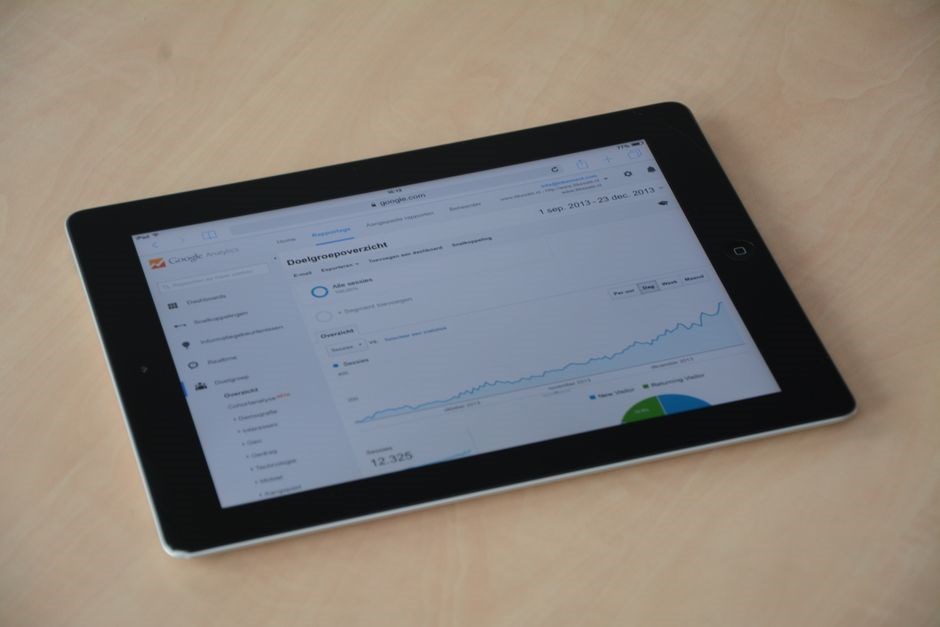

Foundations of Backlink Tracking
Backlinks are inbound links that signal authority. Tracking them reveals which domains refer, the anchor text used, and link quality. Monitoring these metrics helps gauge SEO health, spot toxic links, and adjust outreach strategies. Regular audits alerts keep backlink health aligned with search engine rules!
What is a backlink and why track it?
Backlinks are inbound links from external sites that point to your domain. They are the primary signal search engines use to gauge authority, relevance, and trustworthiness. Each link is a vote of confidence, but not all votes carry equal weight. Links from high‑authority, topical sites carry more influence than mass‑generated links from low‑quality domains. Tracking backlinks allows you to quantify the number of referring domains, assess anchor text diversity, and evaluate link quality through metrics such as domain authority, spam score, and trust flow. By monitoring these metrics over time you can detect sudden spikes that may indicate manipulative link building, identify toxic links that could trigger penalties, and measure the impact of outreach or content marketing campaigns. Regular backlink audits also reveal lost links, helping you recover lost equity or update broken references. In a competitive landscape, a robust backlink tracking strategy informs link acquisition priorities, protects against algorithmic changes, and ultimately drives sustainable organic growth.

Beyond basic metrics, advanced backlink tracking incorporates contextual analysis, such as the surrounding page content, the link’s placement (follow vs nofollow), and the anchor’s semantic relevance. Integrating these factors into a scoring model helps prioritize high‑value links and flag harmful ones. Automation tools can schedule regular checks trigger alerts on sudden changes and provide historical trend graphs enabling proactive SEO management!!
Key metrics: referring domains, anchor text, link quality
Referring domains represent the unique sites that link to your pages. A higher count of diverse domains signals broader authority and reduces reliance on a single source. Anchor text reflects the visible, clickable words used in the link; keyword‑rich anchors can boost relevance, while generic or over‑optimized anchors may raise spam flags. Link quality gauges the trustworthiness of the linking page, often measured by domain authority, trust flow, spam score, and the presence of nofollow attributes. Combining these metrics provides a holistic view: a backlink from a high‑authority domain with relevant anchor text and a low spam score offers little benefit and may harm rankings. Monitoring these indicators over time allows SEO professionals to identify link velocity trends, spot sudden link inflows that could trigger penalties, and prioritize outreach toward high‑quality opportunities. Automated tools can segment backlinks by domain authority thresholds, anchor relevance scores, and spam risk levels, generating actionable insights that inform link building strategies, disavow lists, and content optimization. By maintaining a clean backlink profile, you protect your site’s search visibility and foster sustainable organic growth. In practice, a balanced backlink portfolio should aim for at least 30% of links to come from editorial sources, 20% from niche blogs, and the remaining 50% from high‑authority directories or industry portals, ensuring both diversity and relevance while monitoring anchor diversity. authority!


Tools and Platforms for Tracking
Backlink tracking relies on robust tools that aggregate link data, analyze metrics, and alert on changes. Platforms range from commercial suites offering dashboards and API access to open‑source scripts that scrape index data. Effective tracking blends auto crawling with validatio qualitytoensure compliance.
SEO software suites (Ahrefs, SEMrush, Majestic)
Ahrefs, SEMrush, and Majestic are backlink‑tracking platforms. They provide rich data, API access, user‑friendly dashboards for monitoring link acquisition, assessing quality, and spotting toxic anchors. Below is a concise comparison of their core strengths and typical use cases!!
- Ahrefs – Known for its massive index, Ahrefs delivers real‑time backlink updates, comprehensive anchor text reports, and a “Link Intersect” feature that pinpoints opportunities missed by competitors. The API allows batch queries and seamless integration into custom analytics pipelines.
- SEMrush – Offers a broader SEO suite, combining backlink analysis with keyword research, site audit, and competitive positioning. The “Backlink Gap” tool highlights missing links relative to rivals, while the “Link Building” workflow assists in outreach management.
- Majestic – Specializes in link trust metrics, providing Trust Flow and Citation Flow scores that help gauge a domain’s authority. Its “Site Explorer” interface is ideal for deep dives into anchor diversity and historical link trends.
Choose a platform by evaluating index coverage, update frequency, API limits, and cost. Ahrefs’ bulk API and SEMrush’s enterprise tier scale well for large sites, while Majestic offers clear trust metrics and lower pricing. A robust suite should integrate with reporting workflows, trigger alerts, and deliver actionable insights that boost traffic. The suite should also provide dashboards, alerts, and analytics integration to track performance.
API-based custom tracking solutions
Custom backlink tracking via APIs gives full control over data collection, enrichment, and visualization. A typical pipeline has three stages: ingestion, enrichment, and reporting.
- Ingestion – Pull backlink lists from Ahrefs, SEMrush, Majestic, or Google Search Console using scheduled API calls. Handle pagination, respect rate limits, and cache responses to reduce costs.
- Enrichment – Augment raw URLs with domain authority, anchor text, spam scores, and trust metrics from Moz or OpenLinkProfiler. Store enriched data in a relational or time‑series database for fast querying.
- Reporting – Build dashboards with Grafana, Power BI, or custom React components. Visualize link velocity, anchor diversity, and toxicity alerts in real time.

Best practices include secure key storage, webhook notifications for new high‑value links, and automated alerts for sudden drops. Log all requests for auditability and monitor latency with Prometheus. For scalability, shard data across multiple databases or use cloud storage to keep ingestion costs low. Ensure GDPR compliance by anonymizing user data and securing endpoints.
Deploying an API‑driven solution enables proactive SEO decisions, rapid response to link incidents, and a continuous audit cycle that scales with traffic.

Future enhancements may include machine‑learning models to predict link quality, automated disavow file generation, and integration with CMS for real‑time link suggestions!

Data Collection Techniques
Automated crawling harvests live backlink lists, while scraping extracts anchor text and link context. Search‑engine APIs supply structured data, enabling real‑time updates. Combining both yields comprehensive, up‑to‑date backlink inventories. Daily scrapers capture changes !?
Automated crawling is the backbone of modern backlink inventory. A crawler follows every outbound link from a target site, records the referring URL, anchor text, and the page’s HTTP headers. By scheduling crawls at regular intervals—daily or weekly—SEO teams capture link velocity, detect new acquisitions, and spot sudden drops that may indicate de‑indexing or manual penalties. Scraping complements crawling by extracting hidden or JavaScript‑rendered links that traditional crawlers miss. Tools such as Scrapy, BeautifulSoup, or headless browsers (Puppeteer, Playwright) can be scripted to parse the DOM, execute JavaScript, and harvest link data from dynamic pages. To avoid being blocked, crawlers should respect robots.txt, throttle request rates. Combining a polite crawler with a robust scraper yields a comprehensive backlink map, enabling accurate health reports and proactive link management. Continuous automation reduces manual effort, ensures data freshness, and aligns backlink tracking with real‑time search‑engine updates. By integrating machine‑learning classifiers, the system can automatically flag low‑quality or spammy links, prioritize removal requests, and adjust outreach strategies accordingly, ensuring and!! the backlink profile remains robust and compliant with evolving search‑engine guidelines. Automated alerts keep stakeholders informed now!
Utilizing search engine APIs for backlink lists
Search‑engine APIs such as Google Search Console, Bing Webmaster Tools, and Yandex Webmaster provide programmatic access to backlink data. By authenticating with OAuth or API keys, developers can request the list of referring URLs, anchor text, and the date of first appearance. The JSON responses include pagination tokens, allowing retrieval of thousands of links per query. Rate limits are typically 500 requests per day, so batching and caching are essential. Parsing the JSON into a relational schema (referrer, target, anchor, timestamp) enables advanced analytics: link velocity, anchor diversity, and domain authority correlation. Automating the API calls with cron jobs or serverless functions (AWS Lambda, Azure Functions) ensures the backlink inventory stays current without manual export. Error handling for 429 (rate‑limit) and 403 (permission) responses keeps the pipeline robust. The API approach also supports compliance with privacy regulations, as the data is sourced directly from the search‑engine provider, reducing the need for scraping. By integrating alerts for sudden spikes or drops, stakeholders can react promptly to algorithmic changes or manual actions.
The data retrieved via APIs can be enriched with third‑party metrics such as domain authority scores, trust flow, and spam score. By merging these layers, analysts can prioritize outreach, identify opportunities, and flag low‑quality anchors. Continuous API polling also surfaces link decay trends, enabling timely removal requests disavow submissions

Analysis and Reporting
Link velocity charts reveal growth trends, while dashboards visualize health metrics. Automated reports flag toxic links, anchor diversity, and authority shifts, enabling timely strategy tweaks. Data-driven insights drive outreach and audit cycles. Real‑time alerts keep agiledaily.
Link velocity and trend analysis
Link velocity, the rate at which new backlinks appear, is a cornerstone metric for SEO health. By charting daily or weekly acquisition, marketers can spot sudden spikes that may indicate a successful outreach campaign or, conversely, a potential spam attack. Trend analysis extends this by comparing velocity against historical baselines, revealing seasonality, algorithmic impacts, or content‑driven growth. Modern dashboards integrate these metrics with anchor diversity scores, domain authority, and spam probability, offering a holistic view. Automated alerts trigger when velocity deviates beyond a configurable threshold, allowing rapid response to link quality changes. Additionally, segmenting velocity by referrer type—social, editorial, or niche directories—helps prioritize outreach efforts. When combined with link quality scoring, velocity trends can inform budget allocation, content strategy, and disavowal decisions. In practice, analysts export velocity data into BI tools, apply rolling averages, and overlay search‑engine ranking curves to correlate backlink momentum with SERP movement. This data‑driven approach transforms raw backlink counts into actionable intelligence, ensuring that link building remains a strategic, not reactive, endeavor. Statistical models such as moving averages and exponential smoothing forecast backlink inflows, enabling proactive link building calendars. Visual dashboards use line charts and heat maps to highlight growth periods, while correlating velocity with keyword rankings reveals causality. daily.weekly.!? These insights guide strategy.
Visualizing backlink health with dashboards
Dashboards transform raw backlink data into actionable insights by aggregating key metrics—referring domains, anchor diversity, trust flow, and spam score—into intuitive visual formats. A well‑designed interface typically features a heat‑map of link velocity, a line chart of domain authority trends, and a pie chart of anchor distribution. Interactive filters allow analysts to slice data by time window, referrer type, or geographic region, revealing patterns that static reports miss. Real‑time alerts embedded in the dashboard surface sudden drops in link quality or spikes in toxic domains, enabling immediate remediation. Many platforms expose API endpoints, letting users embed custom widgets that pull live backlink feeds into corporate BI tools such as Tableau or Power BI. When combined with search‑engine ranking curves, these visualizations help correlate backlink activity with SERP performance, validating the ROI of outreach campaigns. Advanced dashboards also support predictive modeling: moving‑average overlays forecast future link velocity, while heat‑maps of anchor usage highlight over‑optimization risks. By normalizing metrics against industry benchmarks, stakeholders can benchmark their backlink profile against competitors, ensuring strategic alignment. Ultimately, a dynamic, data‑driven dashboard turns backlink monitoring from a passive audit into a proactive, continuous optimization loop that informs content strategy, link acquisition, and risk management. Dashboards enable proactive link health management, lasting SEO gains!!. These insights streamline remediation workflows now.

Best Practices and Maintenance

Maintain a clean backlink profile by scheduling quarterly audits, using disavow files for toxic links, and monitoring anchor diversity to avoid over‑optimization. Automate alerts for sudden link velocity changes, and regularly update internal linking structures to reflect new content. Cons. vigilance safeguards rankings!
Managing spamandtoxic links
Identifying and neutralizing spammy backlinks is a cornerstone of a resilient SEO strategy. Start by compiling a comprehensive list of all referring domains using tools such as Ahrefs, Majestic, or a custom API scraper. Apply a multi‑criteria filter: low domain authority, high link velocity, and anchor text that is overly generic or keyword‑dense; Cross‑check each suspect link against Google’s Disavow Tool guidelines to confirm its eligibility for removal. For links that are truly detrimental, create a disavow file in plain text, listing each URL or domain on a new line. Submit this file through the Search Console disavow tool and monitor the impact over the next 90 days. Additionally, employ a link health score that blends domain authority, trust flow, and spam score; flag links below a threshold. Automate alerts sudden spikes in low‑quality links using a cron script that queries your API database and sends email if count exceeds a limit. Regularly audit anchor text diversity to avoid over‑optimization penalties; ensure that at least 30% of your backlinks use branded or natural variations. Finally, maintain a clean backlink profile by proactively disavowing new spam links as they appear, updating your disavow file quarterly, and documenting each action in a version‑controlled log. This disciplined approach preserves search‑engine trust and protects your site’s rankings.
Regular reporting dashboards should display the number of disavowed links, spam score, and trend of link velocity, enabling stakeholders to assess cleanup efforts!
Regular audit schedules and alerting
Establishing a disciplined audit cadence is essential for sustained backlink health. A typical schedule follows a tiered approach: daily micro‑checks for sudden link spikes, weekly scans for anchor diversity, monthly deep dives into domain authority shifts, and quarterly comprehensive reviews that include manual sampling of the top 200 referrers. Each tier should be automated via a cron job that triggers a Python script, which pulls the latest backlink list from the chosen API, normalizes URLs, and flags anomalies based on predefined thresholds (e.g., a 25% increase in low‑DA links within 48 hours). The script writes results to PostgreSQL database, where a dashboard built with Grafana visualizes trends in link velocity,. Alerts are generated through a multi‑channel system: critical alerts (e.g., a sudden drop in referring domains) are sent to Slack, routine notifications (e.g., weekly anchor audit summary) are emailed to SEO team. To avoid alert fatigue, implement a suppression window that ignores duplicate alerts for the same issue within a 24‑hour window. Additionally, integrate machine‑learning model that learns normal link‑growth patterns for each domain raises a flag when deviations exceed a 3‑sigma threshold. This proactive approach ensures that toxic links are caught before they impact rankings, that the backlink profile remains aligned with search‑engine best practices. Continuous improvement is achieved by reviewing alert logs monthly, adjusting thresholds, refining the disavow workflow based on real‑world outcomes